Week Two Roundup: Usage Is the Only Honest KPI

Welcome to the second weekly roundup of the Buyers x Builders Dispatch.
Last week, we spoke with founders who covered some of the most pressing themes we see in the AI transformation today: usage, trust and where AI actually works in the enterprise:
 Dave Ambrose
 Dave Ambrose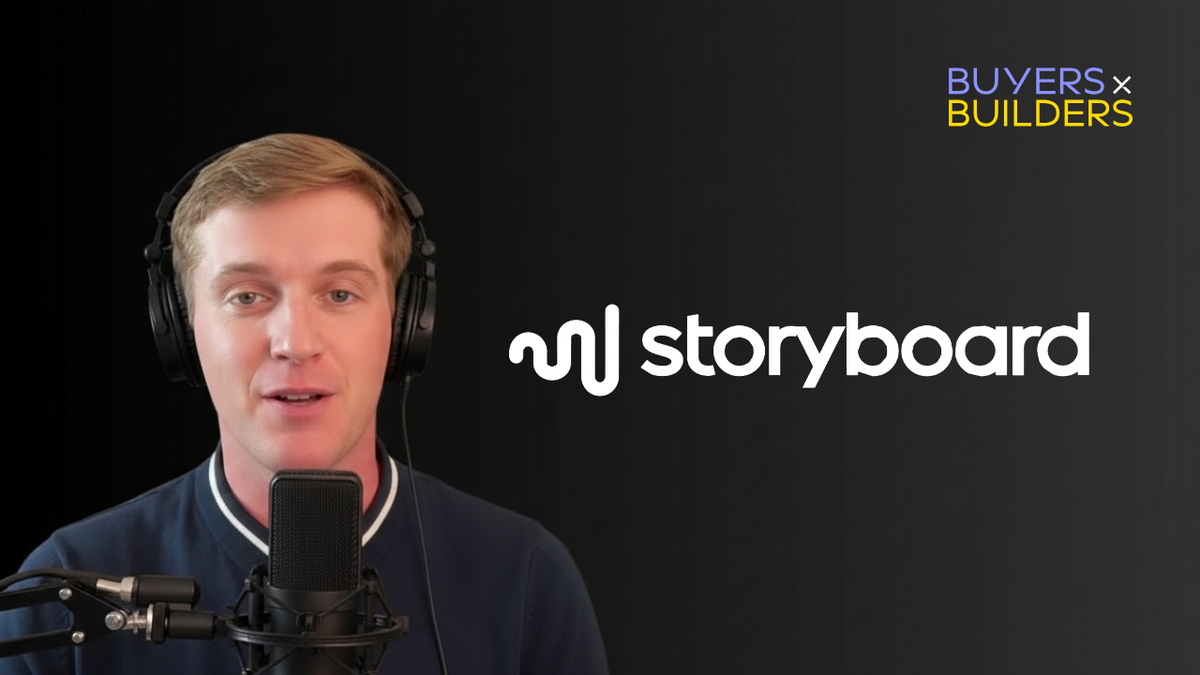
Different industries. Different end users. Same question:
Where does AI move from demo to daily habit?
Here are the patterns that stood out.
Theme 1: AI Has to Live Where the Work Happens
Both conversations pointed to the same reality: AI that requires new behavior rarely survives.
David Gu, Recall:
“AI only works if it’s in the workflow. If people have to go somewhere else to use it, they won’t.”
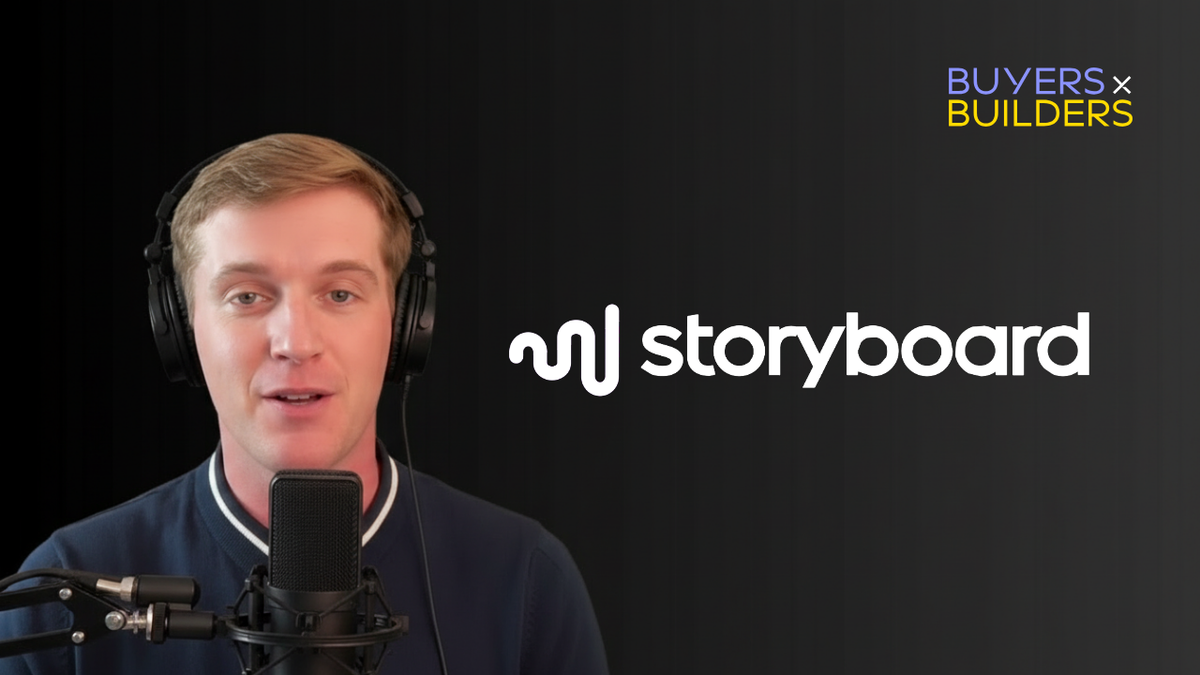
JP Gooderham, Storyboard:
“Most AI demos happen in conference rooms. Ours happens at 65 miles per hour.”
Recall embeds directly into knowledge workflows so teams don’t have to change how they operate. Storyboard runs in noisy truck cabs, integrated with existing telematics and safety systems.
From a buyer perspective, this shows up as adoption drag. If AI requires a new tab, new training cycle or new meeting, it becomes optional. Optional tools get cut.
The takeaway isn’t that AI lacks potential. It’s that workflow gravity is undefeated. Products that collapse into existing behavior win. Everything else stays a demo.
Theme 2: Usage Is the Only Honest Signal
Both founders were blunt about measurement: if people aren’t using it, nothing else matters.
David Gu, Recall:
“If people aren’t using it, the rest of the metrics are noise.”
JP Gooderham, Storyboard:
“We watch time to production and real-world usage ramp. That tells you everything.”
In both cases, logo count and seat volume are weak signals. What matters is whether the product becomes part of the operating rhythm - whether drivers rely on it daily or teams trust it for knowledge retrieval and decision context.
From a buyer perspective, this is where AI evaluations often break down. Enterprises spend months scoring feature matrices while ignoring the simplest test: does behavior change?
The takeaway isn’t that pilots are useless. It’s that usage depth, not feature breadth, is the leading indicator of long-term value.
Theme 3: Trust Is Built Through Guardrails, Not Hype
A shared theme across both interviews was restraint.
David Gu, Recall:
“You don’t deploy AI by promising magic. You deploy it by proving reliability.”
JP Gooderham, Storyboard:
“This isn’t a playground. It’s safety and compliance. You build with an air-traffic-control mindset.”
Recall manages institutional memory and decision context. Storyboard operates in regulated, safety-critical trucking environments. In both cases, hallucinations are not amusing edge cases - they are operational risk.
From a buyer perspective, this changes the evaluation criteria. The question shifts from “How impressive is the demo?” to “How observable, controllable and accountable is this system?”
The takeaway isn’t that bold vision is wrong. It’s that trust compounds faster than hype in enterprise AI. Guardrails are becoming a growth strategy.
What This Week Reinforced
Across two very different environments - institutional knowledge systems and truck cabs moving at highway speed - the same signals kept appearing:
- AI must embed inside existing workflows or it stalls
- Usage is the only metric that tells the truth
- Trust is built through guardrails not demos
- Adoption happens in the field not in conference rooms
None of these insights came from theory. They came from founders shipping into real environments - where noise, regulation, habit and operational risk immediately expose what works and what doesn’t.
That’s the goal of the Dispatch.
To surface these patterns early, before buyers commit budget, lock into contracts or mistake a strong demo for durable adoption.
If you missed either conversation, both full interviews and transcripts are available below.
 Dave Ambrose
 Dave Ambrose