Week One Roundup: Pricing, Build vs Buy and the Infrastructure Shift

Last week marked the first full week of the Buyers x Builders Dispatch.
We published two conversations with founders building very different products, but wrestling with many of the same underlying forces reshaping enterprise software:
 Dave Ambrose
 Dave Ambrose
Different categories. Different buyers. Surprisingly similar themes.
Rather than recap each interview separately, we wanted to surface the patterns that showed up across both conversations and let the founders speak for themselves.
Theme 1: Pricing Models Are Under Pressure
Both conversations circled the same tension: pricing models designed for a different era are struggling to map to how software is actually used today.
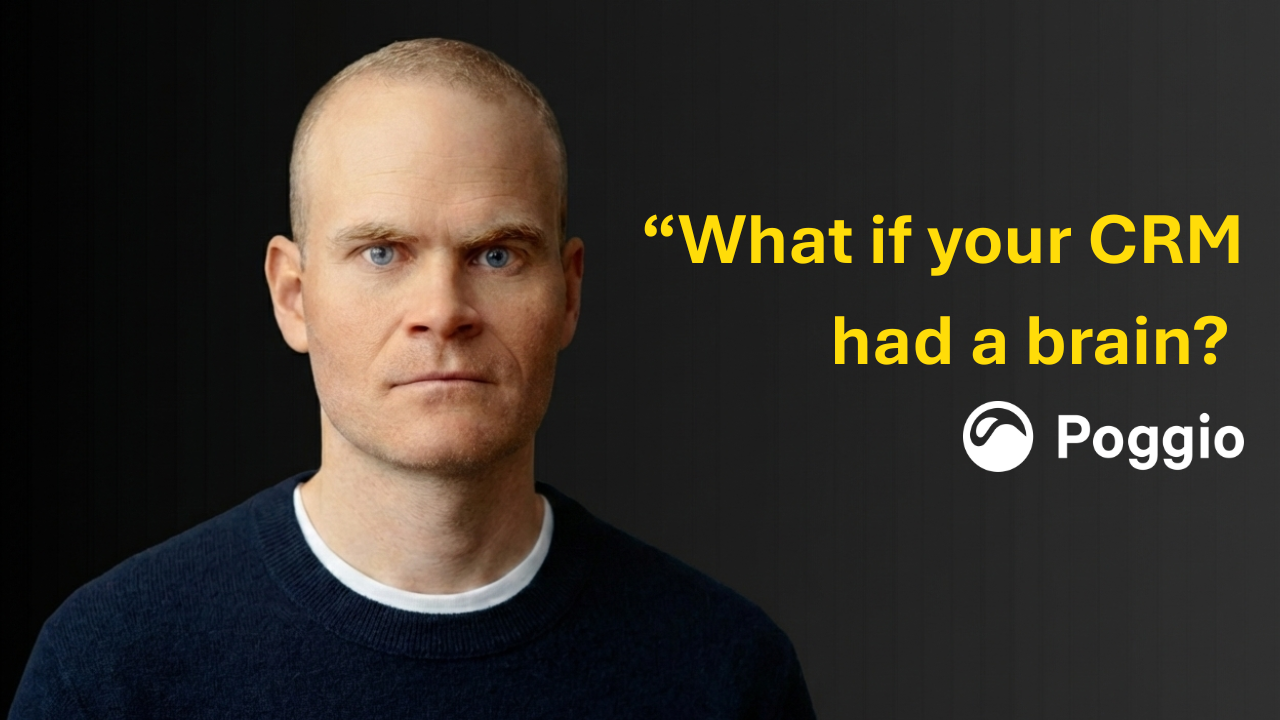
Matt Slotnick, Poggio:
“Seats don’t reflect value anymore. The value lives at the account level, not with individual users.”
Paul Klein, Browserbase:
“Most enterprise buying breaks when the pricing model doesn’t match how the product is used.”
From a buyer perspective, this shows up late and painfully. Adoption doesn’t match forecasts. Usage is uneven. Value accrues in places the pricing model never anticipated.
The takeaway isn’t that one pricing model is “right” but that misalignment between pricing and usage is becoming one of the fastest ways enterprise software breaks down.
Theme 2: Build vs Buy Is No Longer Binary
Both founders pushed back on the idea that enterprises can cleanly choose between building or buying software.
Paul Klein, Browserbase:
“Build vs buy isn’t the real decision anymore. Every enterprise ends up doing both.”
Matt Slotnick, Poggio
“If you just give people tools and hope they apply your value framework, it doesn’t work. You need process.”
For buyers, this reframes the decision entirely. The question is no longer whether internal teams will build but where they should build and what they should buy to support that work.
The most successful teams seem to be buying infrastructure and intelligence while building the last mile themselves.
Theme 3: Context Is the Real Bottleneck
Both interviews pointed to the same quiet failure mode: enterprises don’t lack data or tools, they lack shared context.
Matt Slotnick, Poggio:
“What if your CRM actually knew what your customers’ problems were?”
Paul Klein, Browserbase:
“Most AI projects fail not because of models but because of the plumbing underneath them.”
In different ways, both founders described software systems that store information but don’t help organizations understand it. Context lives in people’s heads, Slack threads or tribal knowledge, not in the systems meant to support decisions.
For buyers, this often shows up as stalled adoption or inconsistent outcomes, even when the underlying tools are powerful.
Theme 4: Time to Value Matters More Than Polish
A final shared theme was a push against heavyweight rollouts and long implementation cycles.
Matt Slotnick, Poggio:
“We always recommend starting by touching nothing. Use the product before fighting integrations.”
Paul Klein, Browserbase:
“If someone can’t get to production, usage-based pricing exposes that immediately.”
Both founders emphasized learning early, proving value quickly and avoiding premature complexity. For buyers, this reframes evaluation away from feature depth and toward how fast a product can meaningfully show up in real workflows.
What This Week Reinforced
Across two very different companies, the same signals kept appearing:
- Pricing needs to align with how software is actually used
- Build vs buy decisions are becoming continuous not one-time
- Context not capability is often the limiting factor
- Faster learning beats perfect rollout plans
None of these insights came from theory. They came from founders describing what broke, what surprised them and what they had to change once real customers entered the picture.
That’s the goal of the Dispatch.
To surface these patterns early while buyers still have time to act on them.
If you missed either conversation, both full interviews and transcripts are available below.
 Dave Ambrose
 Dave Ambrose